Why let naturally soft water go down the drain?
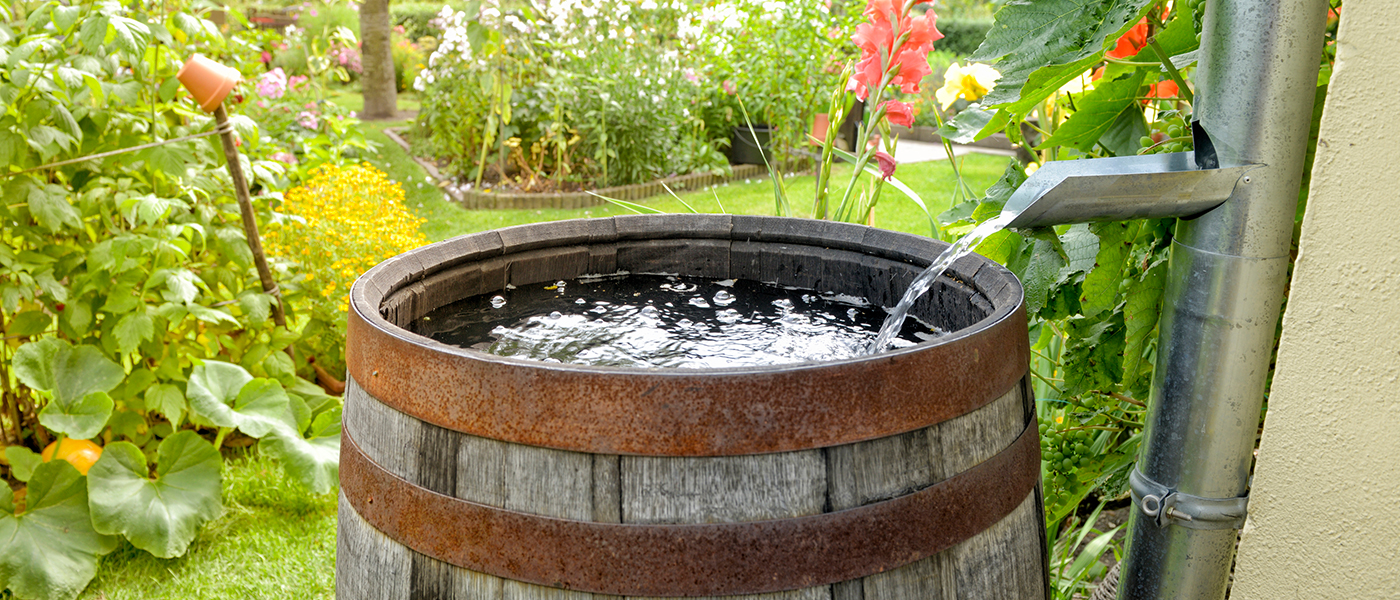
Many Southern Californians are catching and saving rain water with this inexpensive device.
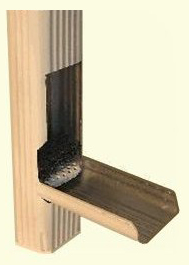
When not in use, WaterSaver folds neatly into the downspout. But the moment a storm comes, you can quickly unfold the diverting spout and catch the rain that passes through your downspout.
- Use any receptacle you want!
- You’ll have plenty of healthy rain water to use for your garden, indoor plants, or even to wash your car.
- You can help conserve water and even slow excessive rain run-off with the WaterSaver.
Help conserve water by adding a rain barrel to your new gutter system.
Reusing something can be even better than recycling it.
We offer rain barrels that are recycled without any melting or reforming of plastic because they were already designed to hold liquids in a safe way. By collecting rain water in these barrels, you not only conserve expensive treated drinking water, but you are also keeping plastic out of the landfill.
These food grade barrels once held olives, pickles, and other bulk items and they are safe for use as rain barrels. Unlike barrels that were used to transport chemicals, these barrels have no toxic residue and are ready to use right away.
Our rain barrels were transformed from food containers by adding a spigot, overflow valve, and mesh screen to keep debris out. That’s it. There was no wasted energy, and no excess CO2 creation. And when these plastic barrels wear out after years of use, the plastic can be recycled again.
The 60 gallon rain barrel is approx. 39 inches tall, with a 23 inch diameter. The inlet for water at the top of the barrel is 12 inches in diameter, with an approximately 2 inch deep lip on the barrel to help funnel rain water in (the top may vary slightly depending on the type of container that was recycled).
There are three hose connectors on the top side of the barrel, so you can gang several together or just use them as overflows. There is one hose connector at the very bottom to either drain the barrel or connect a ¾” hose and run it where ever you want (your garden perhaps?). There is also a spigot about 12 inches from the bottom that allows you to fill your watering can whenever you need to water.
The following two paragraphs are taken from an August 2001 Wall Street Journal article about the resurgence of rain barrels in suburban neighborhoods:
Until the 1940s, the rain barrel was a common sight at farms and homes throughout rural America. Rainwater often was softer than pipe-supplied water, and wooden feed-barrels scattered beneath the steep roof of a barn could catch hundreds of gallons of water during a brief shower. But with modern plumbing, the rain barrel became unnecessary. Today, what many city folks know about rain barrels comes from reruns of “Petticoat Junction” and an old children’s song that asks a playmate to “shout down my rain barrel; slide down my cellar door.”
Jim Cox, a 46-year-old international-trade expert in Rockport, Mass., says his tomatoes and peppers respond better to rainwater than to the cold water from a hose, which can shock plants in hot weather. Mr. Cox connects two… calculating that each rainwater harvest is enough to keep his garden soaked for one rainless week.
1070 Commerce St. Suite F San Marcos, CA, 92078 USA
office@sdraingutters.com • (760) 744-0940